
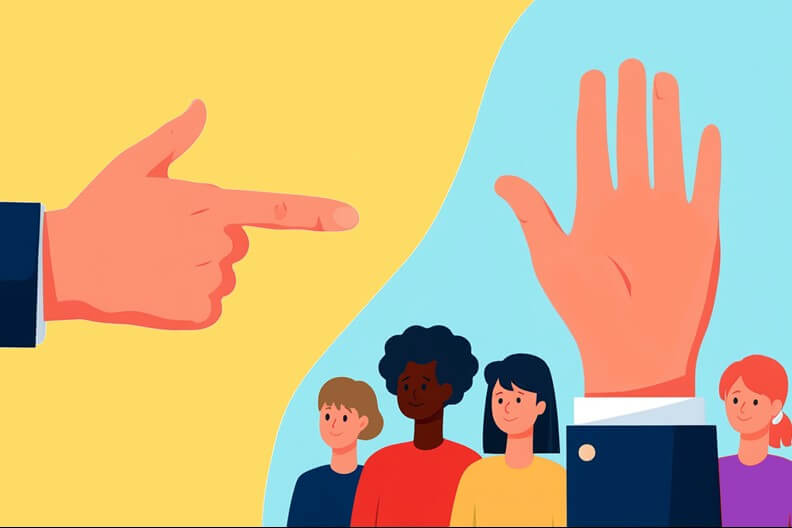
Mistakes happen in every organization. What separates high performers from the rest is not perfection. It is how people respond when things go wrong. Accountability is a shared norm, not a top-down command. Teams do better when everyone, from frontline to executive, owns outcomes, speaks up early, and learns in public. A culture that welcomes candor and inquiry turns misses into fast improvements, which strengthens trust and results over time. (1)
DISTINGUISHING BLAME FROM ACCOUNTABILITY
Blame looks backward and narrows the lens to a person. Accountability, on the other hand, looks forward and widens the lens to a system and a plan.
Consider a common scenario:
A project deliverable is late. In the morning status meeting, one leader opens with a sharp question about who failed to do what. People stop volunteering context. Status updates become shorter. Slack (a collaboration tool) goes quiet. Risks often remain hidden until they become significant. Work slows because the group is protecting itself. The issue lingers, and quality drops.
Another leader handles the same miss differently. She starts by asking what the team has learned. She owns her part in the confusion and clarifies expectations for next time. The group maps the timeline and sees that approvals were unclear. They add a checkpoint, tighten handoffs, and set a recovery plan with dates and owners. People speak freely. The fix is quick. Confidence rises.
The work is the same yet the outcomes diverge because the workplace culture cues are different. When people feel safe to surface problems, they share data sooner and improve the system faster. Over time, this is reflected in engagement, retention, and results. (1)
THE COST OF BLAME AND THE RETURN ON ACCOUNTABILITY
Blame has a price. So does silence.
- U.S. workers who experience or witness incivility report an average productivity loss of about 37 minutes per incident. That adds up across teams and over time. (2)
- Only 31% of U.S. employees were engaged in 2024. Disengagement pulls down quality, innovation, and customer outcomes. (3)
- Psychological safety is linked to learning behavior and stronger team performance. Teams that learn openly fix issues faster and make better decisions. (4)
Accountability pays for itself. When people can admit mistakes without fear and then own next steps, they collaborate more, escalate risks sooner, and protect the customer experience. The compounding effect is meaningful in any market.
ADOPTING AN ACCOUNTABILITY MINDSET
Accountability grows when it is simple to practice and visible on a weekly basis.
- Define the game up front. Write down outcomes, roles, decision rights, and handoffs at kickoff. Share due dates and a single source of truth. Clarity makes ownership possible.
- Model it in every meeting. Leaders go first. A simple “Here is what I missed, here is what I will change” invites the same from others and raises the bar without fear. (5)
- Treat misses as process data. Ask what the timeline shows. Look for unclear approvals, too many steps, or missing capacity. Fix the system before assigning consequences. (5)
- Invite early signals. Ask “What worries you right now?” Reward people who surface risk when it is still small. Then follow through on the fix. (1)
- Use brief after-action reviews. End projects with three questions: What worked? What did not? What will we change next time? Record owners and dates in the minutes. (5)
- Align social norms and work design. Make it normal to ask for help and to give it. Keep workloads and processes realistic so accountability is not punished by burnout. (6)
AVOIDING THE HIGH COST OF BLAME
Blame burns energy and hides information. It makes teams slower and less creative. Accountability does the opposite. It builds a clear path from problem to fix. It also builds trust, which compounds. Start with one project. Name the outcome. Clarify roles. Invite early signals. Close with a short review. Repeat these moves until they become second nature.
Take Action
Ask your team: When something goes wrong here, do we punish, or do we learn and get better? The answer shapes everything that follows. (1,4)
Gavel International specializes in building stronger teams and performance excellence. Connect with us to learn more.
________________
SOURCES:
1. https://hbr.org/2023/02/what-is-psychological-safety
2. https://www.shrm.org/content/dam/en/shrm/topics-tools/topics/civility/shrm-q4-civility-index-abstract.pdf
3. https://www.gallup.com/workplace/654911/employee-engagement-sinks-year-low.aspx
4. https://pmc.ncbi.nlm.nih.gov/articles/PMC7393970/
5. https://sloanreview.mit.edu/article/embrace-mistakes-to-build-a-learning-culture/
6. https://sloanreview.mit.edu/article/how-to-fix-a-toxic-culture/
This article was last updated on January 19, 2026
- 4 Tips for Creating Transparent Decision-Making Processes That Win Employee Trust - February 16, 2026
- 7 Fresh and Unique Ways to Integrate Art and Local Culture into Corporate Events - January 26, 2026
- How to Build a Workplace Culture of Responsibility - January 19, 2026